Meaning and Significance
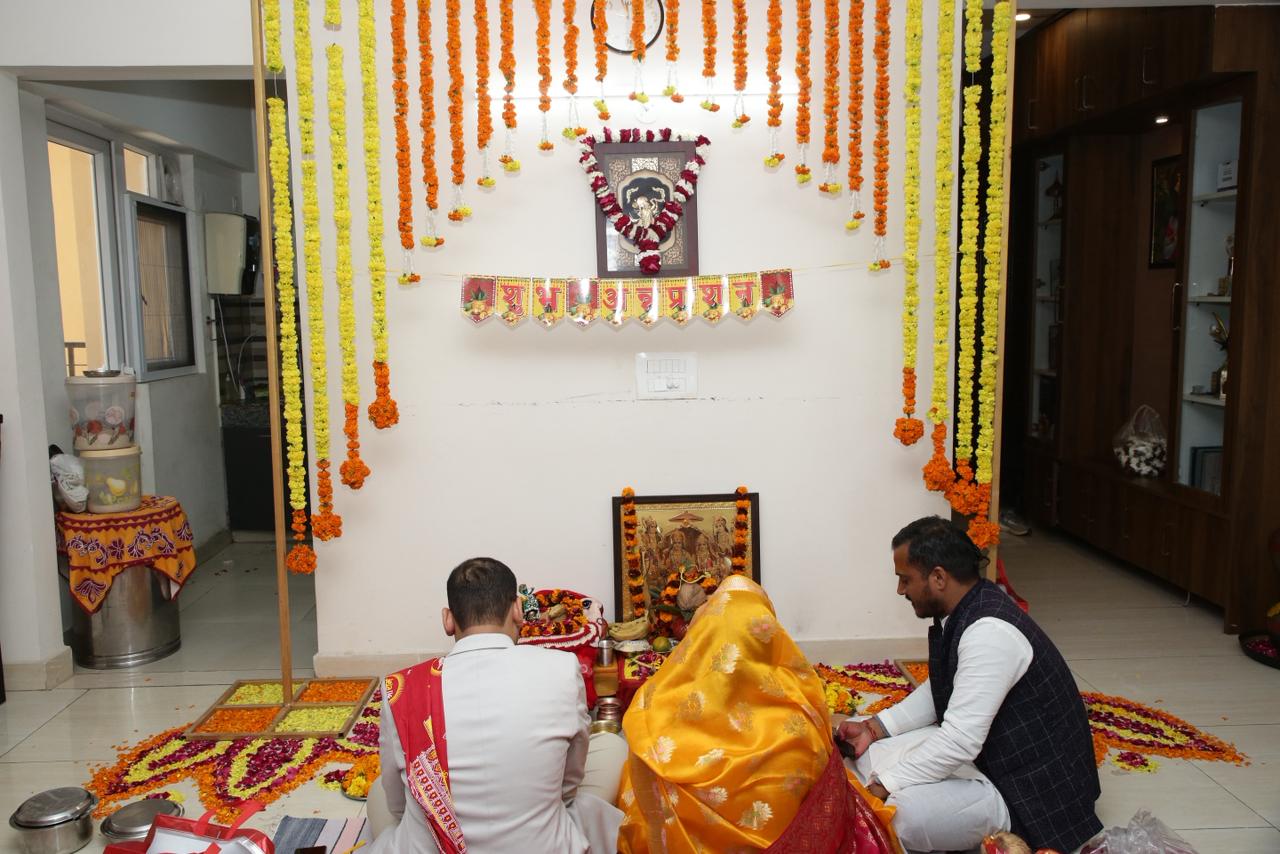
Lord Ganesh, the elephant-headed deity, is revered as the remover of obstacles (Vighnaharta) and the god of beginnings, wisdom, and prosperity. Ganesh Puja is performed at the start of any new venture, ceremony, or important life event. According to Hindu mythology, Lord Ganesh is the son of Shiva and Parvati and is worshipped first among all deities. His large elephant head symbolizes wisdom and understanding, his big ears denote listening and learning, his small eyes represent concentration, and his large belly signifies digesting all good and bad in life. The mouse as his vehicle represents the ability to control desires. Ganesh Chaturthi is the most prominent festival celebrating his birth.
Key Spiritual Aspects:
- Remover of obstacles and harbinger of success
- God of wisdom, knowledge, and new beginnings
- Must be worshipped before starting any auspicious work
- Bestows prosperity, good fortune, and fulfillment
- Patron deity of arts, sciences, and intellect
Spiritual and Practical Benefits
- •Removal of obstacles in spiritual path
- •Development of wisdom and discrimination (Viveka)
- •Blessings for successful completion of all undertakings
- •Protection from negative energies and evil eye
- •Enhancement of intellect and memory power
- •Spiritual growth and self-control
- •Success in new business ventures and projects
- •Excellent academic performance and learning abilities
- •Prosperity and abundance in household
- •Harmonious family relationships
- •Good fortune and lucky opportunities
- •Problem-solving abilities and clarity of thought
Ideal Time to Perform
While Ganesh Puja can be performed any day (especially Wednesdays and Chaturthi tithis), the most auspicious time is during Ganesh Chaturthi festival. This falls on the fourth day (Chaturthi) of the waxing moon in the Hindu month of Bhadrapada (August-September). The festival lasts for 10 days, though many worship for 1.5, 3, 5, 7, or 11 days.
Key Rituals and Procedure
Ganpati Sthapana
Installation of Ganesh idol on a decorated platform or altar with sacred mantras
Prana Pratishtha
Invocation of life force into the idol through Vedic mantras and rituals
Shodashopachara Puja
Sixteen-step worship including bathing, dressing, offering flowers, incense, lamp, and food
Offering of Modak
Sweet modak (Lord Ganesh's favorite) is offered along with durva grass (21 blades)
Ganesh Atharvashirsha
Recitation of powerful Ganesh Atharvashirsha hymn and 108 names of Ganesh
Aarti
Devotional aarti (Sukhkarta Dukhharta) with camphor lamp and bells
Daily Worship
For multi-day celebrations, puja is performed morning and evening
Visarjan
Immersion ceremony with prayers for Ganesh to return next year
Estimated Duration: 1-2 hours for installation, 30-45 minutes daily worship
Photo Gallery
Important Information
- Eco-friendly clay idols are recommended over plaster of Paris
- Idol size can be chosen based on space availability (small to large)
- Red and yellow colors are auspicious for decoration
- Must offer durva grass (doob grass) - it is mandatory for Ganesh worship
- Modak (sweet dumpling) is Lord Ganesh's favorite prasad
- Wednesday fasting and worship brings special blessings
- During Ganesh Chaturthi, avoid looking at moon on first day (causes false blame)
- Chanting "Om Gan Ganapataye Namaha" 108 times is highly beneficial
- Ideal for starting new business, entering new home, beginning studies
- Can be performed as home installation or simple puja
- ✓Ganesh idol guidance
- ✓Durva grass (21 blades)
- ✓Red flowers and garland
- ✓Modak and fruits
- ✓Complete puja materials
- ✓Ganesh mantras booklet