Pitru Pooja — पितृ पूजन, तरà¥à¤ªà¤£, पिंडदान à¤à¤µà¤‚ शà¥à¤°à¤¾à¤¦à¥à¤§ करà¥à¤® | Pitru Paksha 2026
Complete Vedic Ceremony with Traditional Rituals
🕉️ पितृपक्ष 2026: 27 सितम्बर – 10 अक्टूबर 2026 | सर्व पितृ अमावस्या: 10 Oct 2026 — Book Now!
+91 95807 58639पितरों का महतà¥à¤µ — Importance of Pitru Puja
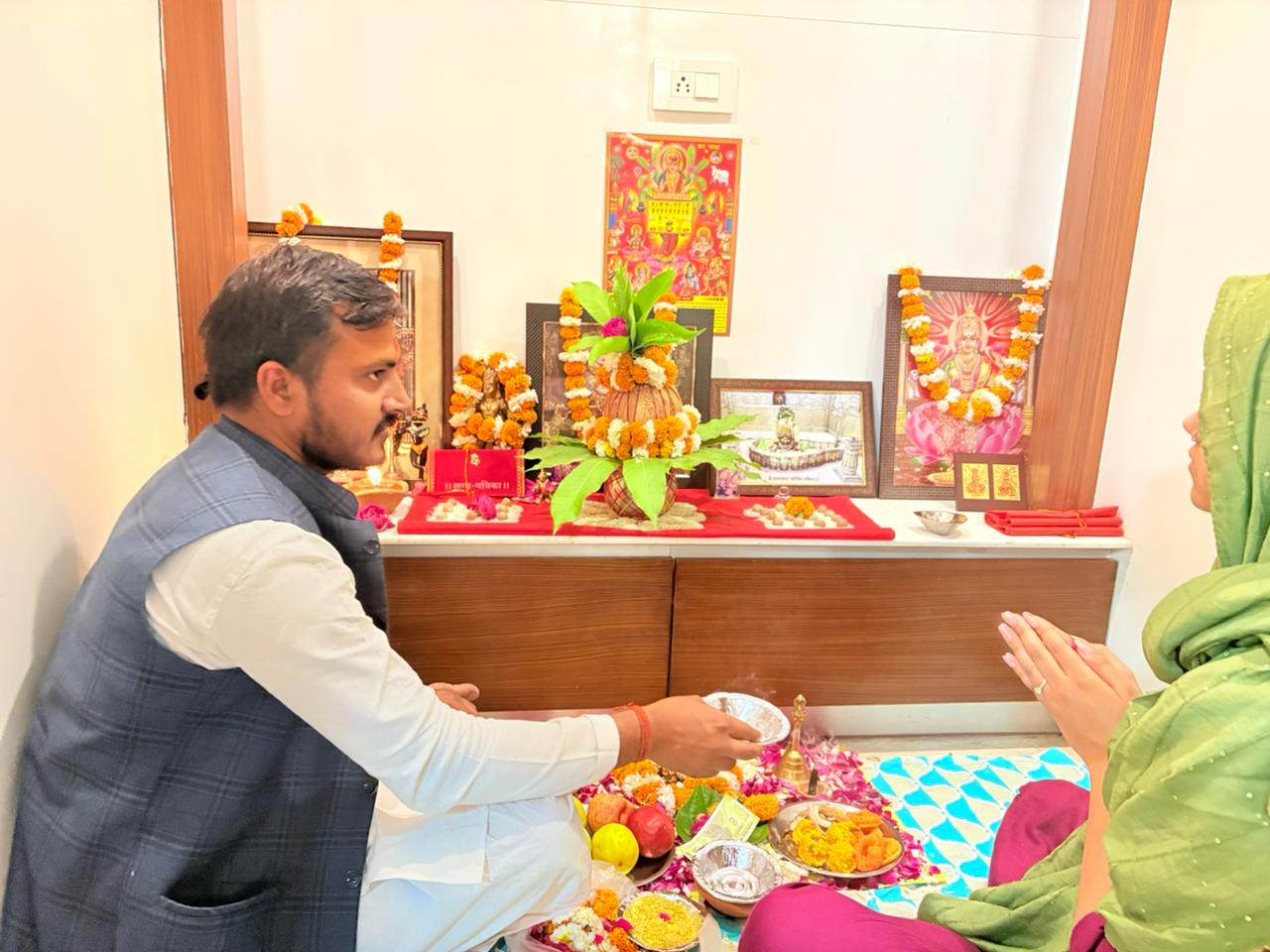
à¤à¤¾à¤°à¤¤à¥€à¤¯ सनातन परमà¥à¤ªà¤°à¤¾ में पितरों का सà¥à¤¥à¤¾à¤¨ अतà¥à¤¯à¤¨à¥à¤¤ महतà¥à¤µà¤ªà¥‚रà¥à¤£ माना गया है। मनà¥à¤·à¥à¤¯ केवल अपने वरà¥à¤¤à¤®à¤¾à¤¨ जीवन का परिणाम नहीं है — उसके पीछे माता-पिता, दादा-दादी, पूरà¥à¤µà¤œà¥‹à¤‚ और अनेक पीढ़ियों की परमà¥à¤ªà¤°à¤¾, संसà¥à¤•à¤¾à¤° और योगदान होते हैं। इस कृतजà¥à¤žà¤¤à¤¾ और सà¥à¤®à¤°à¤£ की à¤à¤¾à¤µà¤¨à¤¾ को पितृ-पूजन, तरà¥à¤ªà¤£ और पारà¥à¤µà¤£à¤¶à¥à¤°à¤¾à¤¦à¥à¤§ (पिणà¥à¤¡à¤¦à¤¾à¤¨) के माधà¥à¤¯à¤® से वà¥à¤¯à¤•à¥à¤¤ किया जाता है। In Hindu dharma, ancestors (Pitru) occupy a supremely sacred place — the living are indebted to them for life, culture, and tradition. Pitru Paksha 2026 runs from 27 September to 10 October 2026 (Sarva Pitru Amavasya / Mahalaya Amavasya). Performing Shraddh, Tarpan, and Pind Daan removes Pitru Dosha from the family horoscope and brings peace, prosperity, and ancestral blessings. Book Pandit Sandesh Tiwari for Pitru Puja at your home — Call: +91 95807 58639.
Key Spiritual Aspects:
- 📅 Pitru Paksha 2026: 27 September 2026 to 10 October 2026 (Sarva Pitru Amavasya)
- कृतजà¥à¤žà¤¤à¤¾ — Gratitude to ancestors who gave us life, values, and culture
- वंश-परमà¥à¤ªà¤°à¤¾ का समà¥à¤®à¤¾à¤¨ — Honoring the family lineage and cultural heritage
- धारà¥à¤®à¤¿à¤• करà¥à¤¤à¤µà¥à¤¯ — Shraddh and Tarpan are a grihastha's (householder's) sacred duty per Dharmashastra
- पारिवारिक संसà¥à¤•à¤¾à¤° — Connecting new generations with ancestral traditions
- Removes Pitru Dosha from the family horoscope and resolves chronic family problems
- "शà¥à¤°à¤¾à¤¦à¥à¤§" is derived from "शà¥à¤°à¤¦à¥à¤§à¤¾" — an act performed with devout faith and reverence
शासà¥à¤¤à¥à¤°à¥€à¤¯ आधार — Vedic Scriptural Foundation
📜 à¤à¤—वदà¥à¤—ीता 3.11
"देवानॠà¤à¤¾à¤µà¤¯à¤¤à¤¾à¤¨à¥‡à¤¨ ते देवा à¤à¤¾à¤µà¤¯à¤¨à¥à¤¤à¥ वः।"
Nourish the gods with this (yagna), and may the gods nourish you in return. — Bhagavad Gita 3.11, Lord Krishna on the mutual nourishment between gods, ancestors, and humans.
📜 मनà¥à¤¸à¥à¤®à¥ƒà¤¤à¤¿
"Manusmriti treats the duties toward ancestors (Pitru) as a core component of Dharma for every householder."
देवताओं और पितरों के पà¥à¤°à¤¤à¤¿ करà¥à¤¤à¤µà¥à¤¯ को धरà¥à¤® का महतà¥à¤µà¤ªà¥‚रà¥à¤£ अंग माना गया है।
📜 गरà¥à¤¡à¤¼ पà¥à¤°à¤¾à¤£, विषà¥à¤£à¥ पà¥à¤°à¤¾à¤£, महाà¤à¤¾à¤°à¤¤
"These scriptures provide detailed accounts of Shraddh, Tarpan, and Pind Daan traditions."
पितृकरà¥à¤® के संदरà¥à¤ में इन गà¥à¤°à¤¨à¥à¤¥à¥‹à¤‚ में शà¥à¤°à¤¾à¤¦à¥à¤§ और तरà¥à¤ªà¤£ की परमà¥à¤ªà¤°à¤¾à¤“ं का विसà¥à¤¤à¥ƒà¤¤ वरà¥à¤£à¤¨ मिलता है।
Spiritual and Practical Benefits of Pitru Puja
- •Liberation (mukti) and eternal peace for departed souls
- •Removal of Pitru Dosha (ancestral curse) from the family horoscope
- •Blessings from satisfied ancestors for all living family members
- •Spiritual purification of the family lineage across generations
- •Protection from negative ancestral karma accumulated over lifetimes
- •Fulfillment of Pitru Rinn (debt to forefathers) — a core dharmic duty
- •Ancestors attain higher realms (Pitru Loka) and grant blessings freely
- •Resolution of chronic family problems and recurring obstacles
- •Success in efforts that were previously blocked without reason
- •Improved family harmony, relationships, and mutual understanding
- •Resolution of marriage delays, childlessness, and health issues linked to Pitru Dosha
- •Financial stability, wealth growth, and career success
- •Good health for family members — especially children
- •Protection from accidents, untimely deaths, and misfortunes in the family
पितृपकà¥à¤· 2026 — Dates and Ideal Time for Pitru Puja
इस वरà¥à¤· पितृपकà¥à¤· का आरमà¥à¤ 27 सितमà¥à¤¬à¤° 2026 से होकर 10 अकà¥à¤Ÿà¥‚बर 2026 (सरà¥à¤µ पितृ अमावसà¥à¤¯à¤¾ / महालय अमावसà¥à¤¯à¤¾) के दिन समापà¥à¤¤ होगा। Shraddh should be performed on the tithi (lunar day) matching the ancestor's death date. If the death tithi is unknown, Sarva Pitru Amavasya (10 October 2026) is universally auspicious for all ancestors. The ideal time for performing Tarpan and Shraddh is Kutup Kaal or Aparahna Kaal (afternoon — roughly 11:36 AM to 12:24 PM) as prescribed in Dharmashastra. Pandit Ji performs the complete ritual with correct Sankalp, gotra, tithi, and mantra.
पितृ पूजन की समà¥à¤ªà¥‚रà¥à¤£ विधि — Complete Pitru Puja Procedure
1. संकलà¥à¤ª (Sankalp) — Sacred Vow
अपने गोतà¥à¤°, पितृ का नाम और जिस तिथि का शà¥à¤°à¤¾à¤¦à¥à¤§ है उसके अनà¥à¤¸à¤¾à¤° संकलà¥à¤ª किया जाता है। The devotee formally declares their gotra (lineage), the name of the ancestor, and the purpose of the Shraddh with full devotion. This is followed by ritual bathing at a sacred river (tirth snan) or at home with holy water, along with application of tiladi (til/sesame paste) for purification.
2. पितृ तरà¥à¤ªà¤£ (Pitr Tarpan) — Ancestral Water Offering
जल में सामानà¥à¤¯à¤¤à¤ƒ काला तिल (kala til / black sesame seeds) और कà¥à¤¶ (kusha grass) का पà¥à¤°à¤¯à¥‹à¤— करके पितरों को तरà¥à¤ªà¤£ दिया जाता है। Water offered through the hands (held in anjali) mixed with black sesame seeds and kusha grass is poured out while reciting specific Vedic mantras for each generation — father, grandfather, great-grandfather — and similarly for maternal lineage.
3. पिंडदान (Pind Daan) — Ancestral Offering of Sacred Balls
परमà¥à¤ªà¤°à¤¾ के अनà¥à¤¸à¤¾à¤° पके हà¥à¤ अनà¥à¤¨ (चावल, जौ, तिल, शहद, घी) से पिंड बनाकर पितरों को समरà¥à¤ªà¤¿à¤¤ किठजाते हैं। Sacred rice balls (pinds) made from cooked rice, barley, sesame, honey, and ghee are offered to the ancestors. These are placed on kusha grass or in flowing water or at a sacred site. The pind represents the subtle body of the departed ancestor.
4. शà¥à¤°à¤¾à¤¦à¥à¤§-à¤à¥‹à¤œà¤¨ (Shraddh Bhojan) — Sattvic Feast for Brahmins
सातà¥à¤¤à¥à¤µà¤¿à¤• à¤à¥‹à¤œà¤¨ (kheer, puri, dal, rice, vegetables — sattvic, no onion/garlic) तैयार करके विधि के अनà¥à¤¸à¤¾à¤° à¤à¤• योगà¥à¤¯ बà¥à¤°à¤¾à¤¹à¥à¤®à¤£ को à¤à¥‹à¤œà¤¨ कराया जाता है। The Brahmin who receives the feast represents the ancestors themselves. Proper dakshina (respectful donation) is offered at the conclusion. This is the most essential part of the Shraddh ritual.
5. दान-दकà¥à¤·à¤¿à¤£à¤¾ (Daan) — Charitable Giving
यथाशकà¥à¤¤à¤¿ अनà¥à¤¨ (grain), वसà¥à¤¤à¥à¤° (clothing), गाय (cow), à¤à¥‚मि (land), तिल (sesame), gold, or money donated in the name of the ancestors earns immense merit. Even small donations made with devotion are supremely meritorious during Pitru Paksha. Annadaan (feeding the hungry) is considered especially powerful.
6. गौ, काक और अनà¥à¤¯ जीवों के लिठअनà¥à¤¨ (Panchbali)
परमà¥à¤ªà¤°à¤¾ में à¤à¥‹à¤œà¤¨ का अंश गाय (cow), काक (crow), शà¥à¤µà¤¾à¤¨ (dog), देवता (gods), and पिपीलिका (ants) के लिठनिकाला जाता है — यह पञà¥à¤šà¤¬à¤²à¤¿ कहलाता है। A crow eating the offering is considered the most auspicious sign, indicating that the ancestors have accepted the Shraddh.
7. पितृ-सà¥à¤®à¤°à¤£ और पà¥à¤°à¤¾à¤°à¥à¤¥à¤¨à¤¾ (Ancestor Remembrance and Prayer)
पितरों का शà¥à¤°à¤¦à¥à¤§à¤¾à¤ªà¥‚रà¥à¤µà¤• सà¥à¤®à¤°à¤£ तथा उनकी शांति और मोकà¥à¤· के लिठपà¥à¤°à¤¾à¤°à¥à¤¥à¤¨à¤¾ की जाती है। The ritual concludes with heartfelt remembrance of all ancestors, recitation of Pitru mantras, and a sincere prayer that they may find eternal peace (shanti) and liberation (moksha).
Estimated Duration: 2–3 hours (Tarpan + Pind Daan + Brahmin Bhojan + Daan)
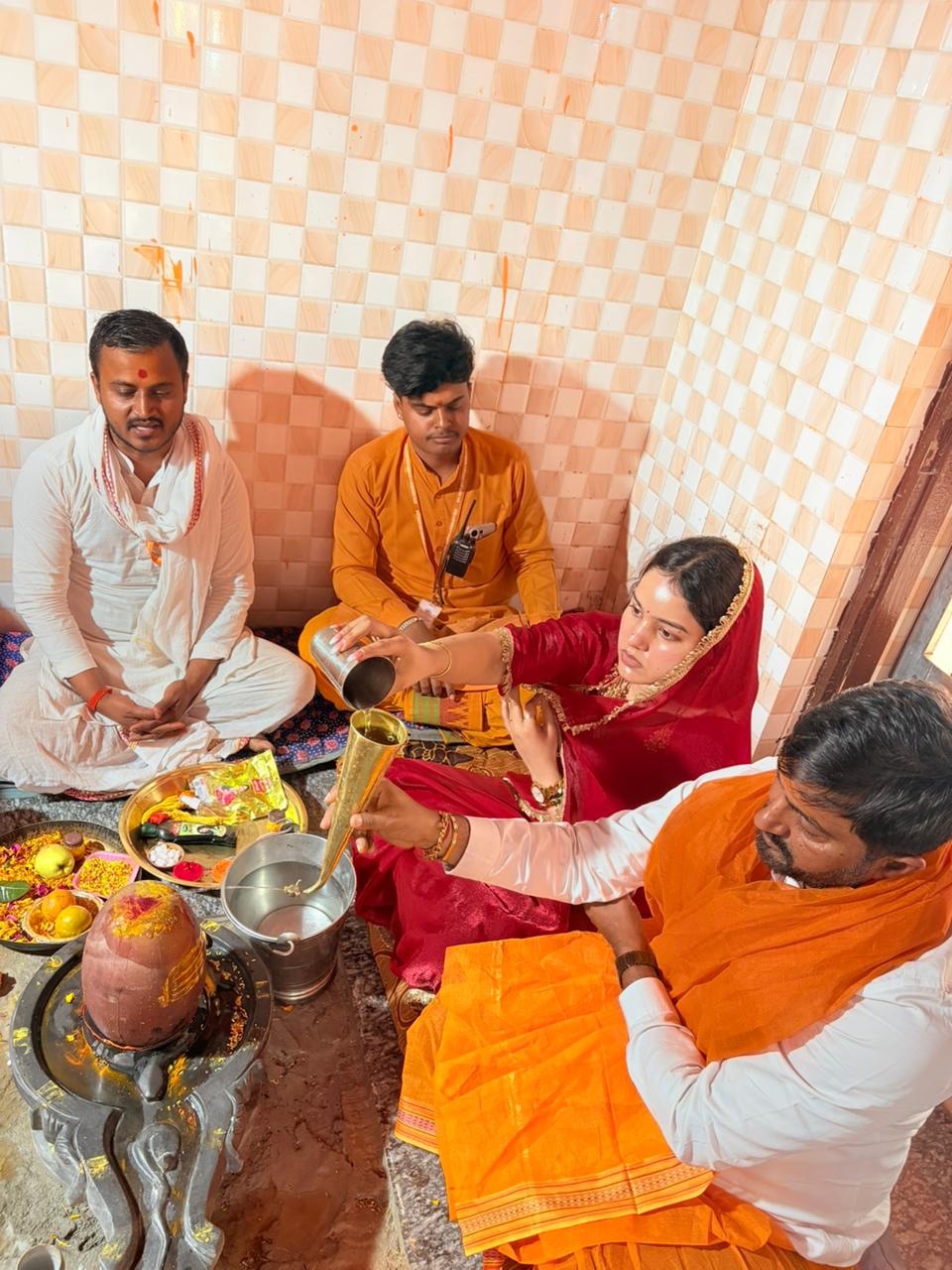
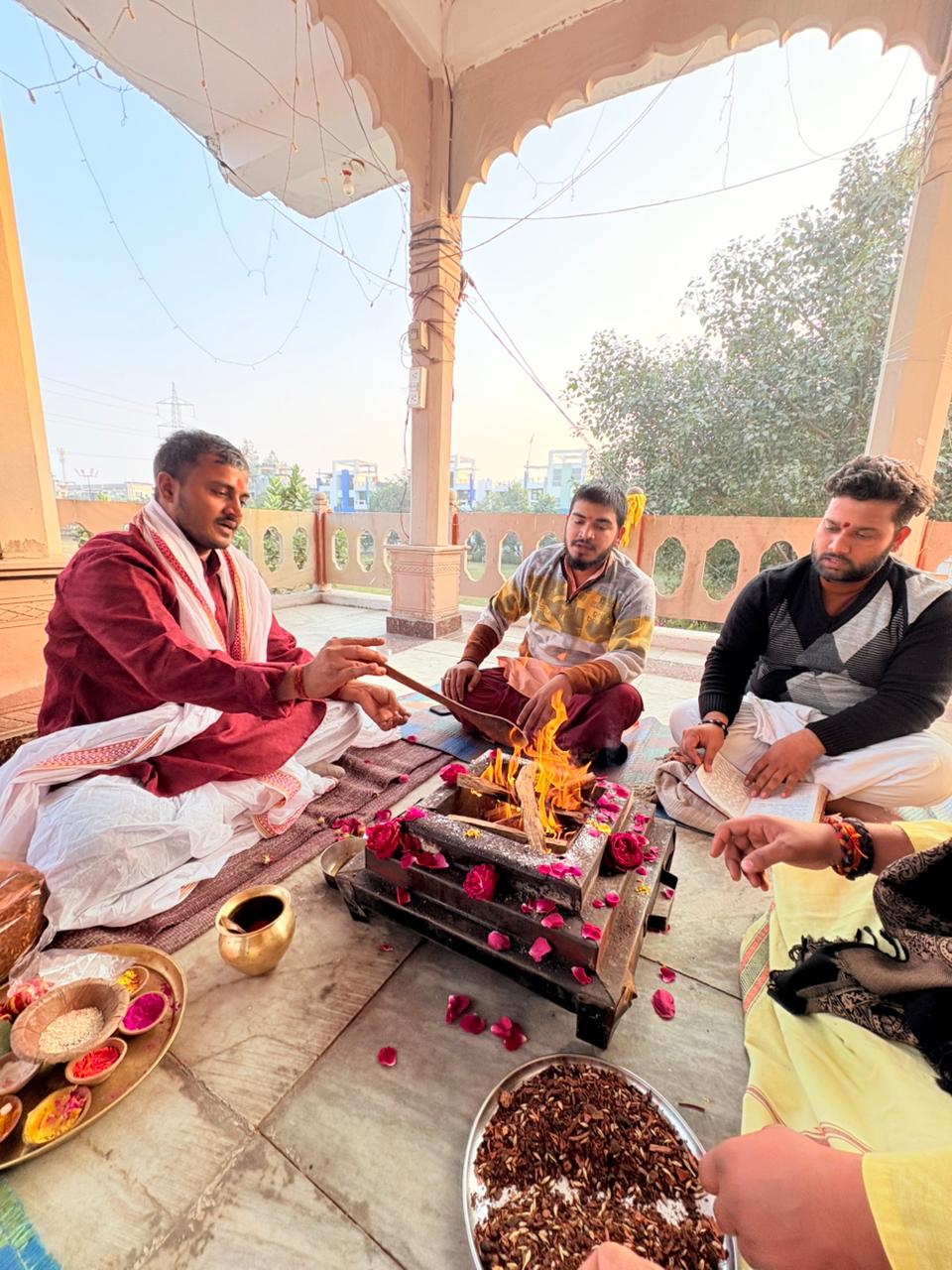
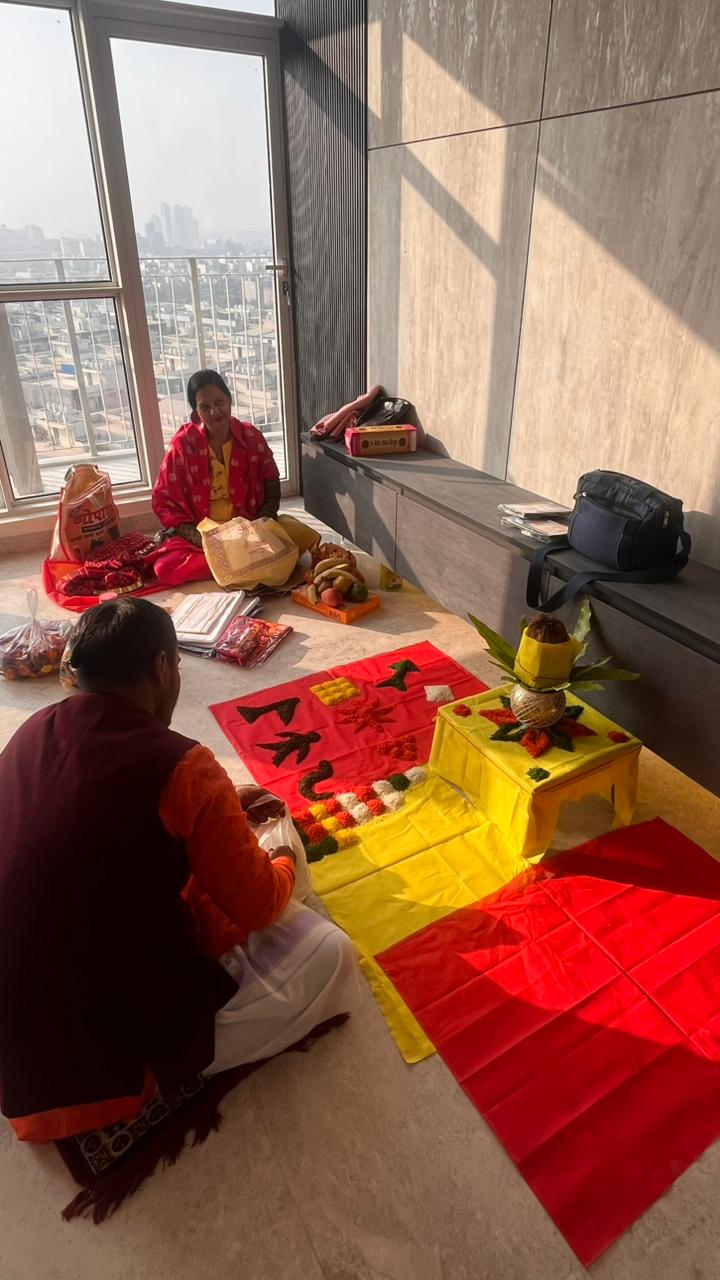
Photo Gallery
महतà¥à¤µà¤ªà¥‚रà¥à¤£ जानकारी — Important Information for Pitru Puja
- 📅 Pitru Paksha 2026: 27 September to 10 October 2026 — Book Pandit Ji now!
- पितृपकà¥à¤· का संदेश: शà¥à¤°à¤¾à¤¦à¥à¤§ केवल करà¥à¤®à¤•à¤¾à¤£à¥à¤¡ नहीं — यह शà¥à¤°à¤¦à¥à¤§à¤¾, सà¥à¤®à¥ƒà¤¤à¤¿ और कृतजà¥à¤žà¤¤à¤¾ का उतà¥à¤¸à¤µ है
- Know your ancestor's death tithi (lunar date) before the ceremony — Pandit Ji helps determine the exact date
- If the death tithi is unknown, perform Shraddh on Sarva Pitru Amavasya (10 Oct 2026) — it covers all ancestors
- Feeding a learned Brahmin is the single most important part of Shraddh — it represents feeding the ancestors directly
- Shraddh food must be simple, sattvic, and freshly prepared — no onion, garlic, meat, or alcohol
- Traditional Shraddh menu: kheer (rice pudding), puri, seasonal vegetables, dal, and rice — cooked in pure ghee
- Black sesame seeds (kala til) are the most essential offering in Tarpan — never substitute
- A crow eating the pind offering is the most auspicious sign — it means the ancestors have accepted the Shraddh
- Males of the family traditionally perform Shraddh — though exceptions exist per Dharmashastra
- Can be performed at home, near a river, at a temple, or at sacred tirth sites like Gaya, Prayagraj, Haridwar
- Those with Pitru Dosha in their horoscope MUST perform Shraddh regularly — not only during Pitru Paksha
- Contact Pandit Sandesh Tiwari: +91 95807 58639 | poojapandits.com/services/pitru-paksha-shraddh
Frequently Asked Questions
- ✓काला तिल (Kala Til — Black Sesame Seeds)
- ✓कà¥à¤¶ (Kusha grass for Tarpan and Pind placement)
- ✓पिंड निरà¥à¤®à¤¾à¤£ सामगà¥à¤°à¥€ (Pind materials: rice, barley, sesame, ghee, honey)
- ✓Sacred water pot (lota/kalash) for Tarpan
- ✓Brahmin bhojan samagri (kheer, puri, dal, rice, vegetables)
- ✓Daan items (cloth/anna per arrangement)
- ✓All ritual materials, kusha mat, puja items